Cheap hotels in Leicester town centre: lower room rate or lower total cost?
A lower room rate isn’t always cheaper. To find cheap hotels in Leicester town centre, compare total payable price, exact location, room conditions and booking terms—then choose what truly fits your trip.
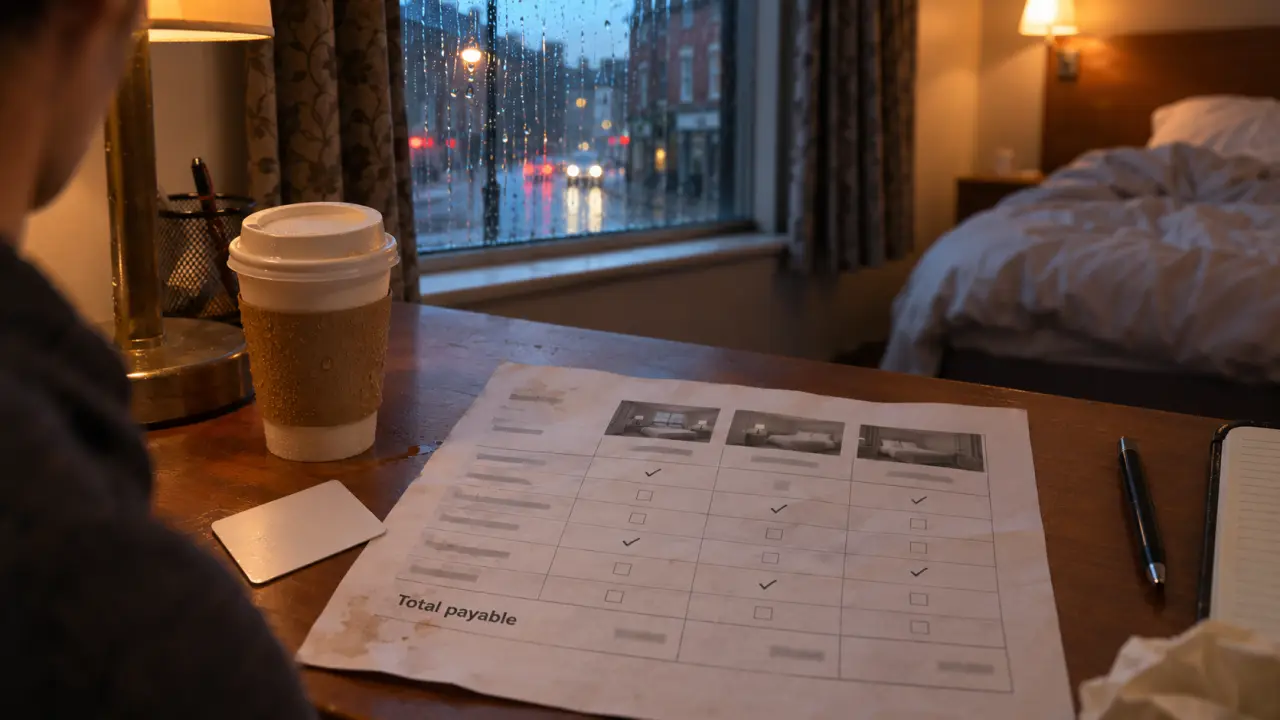
A cheap room is only useful if it puts you where you need to be. When comparing cheap hotels in Leicester town centre, check the exact location, the total payable price and the room conditions together. A lower headline rate is not necessarily a saving if it adds transport costs or leaves out essentials.
There is no single cheapest hotel for every stay. Without a dated, like-for-like quote, a named winner would be misleading. The practical approach is to narrow the location first, then compare matching rooms for your dates.
Start with your destination, not the “Leicester” label
Use the place you actually need to reach as your starting point: Leicester Railway Station, a university building, a workplace or an evening venue. Do not assume a search result labelled “Leicester” answers a town-centre search. Check the property’s full address on its official website before considering the price.
For a university visit, confirm the specific building rather than searching only by the institution’s name. Apply the same approach to an appointment or event: the relevant entrance matters more than a broad location description.
Build a small shortlist using these checks:
- Arrival: can you reach the accommodation comfortably with your luggage?
- Main journey: does the route suit the trip you will make most often?
- Evening return: are you comfortable with the route and transport arrangements?
- Departure: can you leave at the required time without an expensive extra journey?
Check walking routes rather than relying on straight-line distance. Keep walking and driving estimates separate, and avoid treating an unspecified “minutes from the centre” claim as a walking time.
Compare the whole booking, not an advertised starting rate
Enter identical dates, guest numbers and room requirements for each option. Compare the final amount payable, not a promotional figure shown before you have selected a room. Keep the currency consistent and check whether payment is due immediately or later.
A useful comparison does not need dozens of columns. Record the details that could change your decision, and leave anything unconfirmed marked as such rather than assuming it is included.
| What to compare | What to confirm |
|---|---|
| Accommodation total | The amount payable for the full stay and all guests |
| Room arrangement | Bed configuration, occupancy and bathroom type |
| Essential extras | Breakfast, parking and any facilities you need |
| Booking conditions | Cancellation, payment and deposit requirements |
| Location costs | Any additional travel needed during the stay |
Compare flexible and non-refundable bookings separately. If your plans are uncertain, decide what flexibility is worth before choosing a lower rate. Read the actual cancellation conditions rather than relying on a short label.
For visitors weighing up a university stay, the Everyday life guide to Leicester University considers reputation and course fit; accommodation needs a similarly practical assessment of whether it suits the purpose of the visit.
Choose the room and facilities you will actually use
Keep hotels, guest houses and apartments in separate comparison groups until you have checked what each booking provides. A property description alone does not establish whether your particular room has a private bathroom, cooking facilities or the bed arrangement you need.
If you are considering an apartment, confirm whether the reservation covers the whole accommodation or a room within it. Check kitchen access, cleaning arrangements and any deposit conditions. For a hotel or guest house, establish which services are included in the selected rate.
Use a mirror test for the facilities list: does it reflect your actual routine, or just look attractive on a booking page? Picture arriving, sleeping, washing, eating and leaving. A desk matters if you will work; a kitchen matters if you will cook. Giving unused extras no weight makes the comparison clearer and helps prevent paying more for features that do not improve your stay.
Accessibility needs deserve direct confirmation before payment. Ask about the route from the entrance to the room, bathroom layout and any essential equipment. Likewise, check luggage storage, Wi-Fi and breakfast arrangements if your plans depend on them. Seek a specific answer rather than interpreting a general facilities symbol.
Make the final checks before paying
Use the hotel or accommodation operator’s official website to verify the property identity, address and booking conditions. If you reserve through another service, read the terms attached to that exact reservation too. Do not assume a different room or rate carries the same conditions.
- Recheck the reservation: dates, guest names, occupancy and bed configuration.
- Confirm arrival arrangements: check-in requirements and the procedure if you arrive later than planned.
- Resolve essential questions: obtain confirmation of parking, bathroom arrangements or accessibility needs.
- Read payment terms: distinguish the accommodation charge from any deposit or payment authorisation.
- Save the confirmation: retain the total, cancellation conditions and contact details.
If driving, ask which car park the accommodation means and whether its arrangements cover your intended arrival and departure. Do not treat “parking available” as confirmation that a space is included or reserved.
The strongest budget choice is the room that meets your essential needs at an acceptable total cost. Prioritise a verified location, suitable room and clear terms over an unsupported “cheapest” label.