Leicester’s 190 electric buses save over 27,000 tonnes of CO2
Leicester’s 190 electric buses have saved more than 27,000 tonnes of CO2, with a fully electric network planned by the end of 2027.
Leicester’s 190 electric buses have saved more than 27,000 tonnes of carbon dioxide since they entered service, Leicester City Council says, with a fully electric network planned by the end of 2027.
According to the council, replacing a diesel vehicle with an electric bus saves approximately 40 tonnes of CO2 annually per bus. Together, the current fleet saves around 7,600 tonnes annually. The council compares the total saving so far to planting more than one million trees.
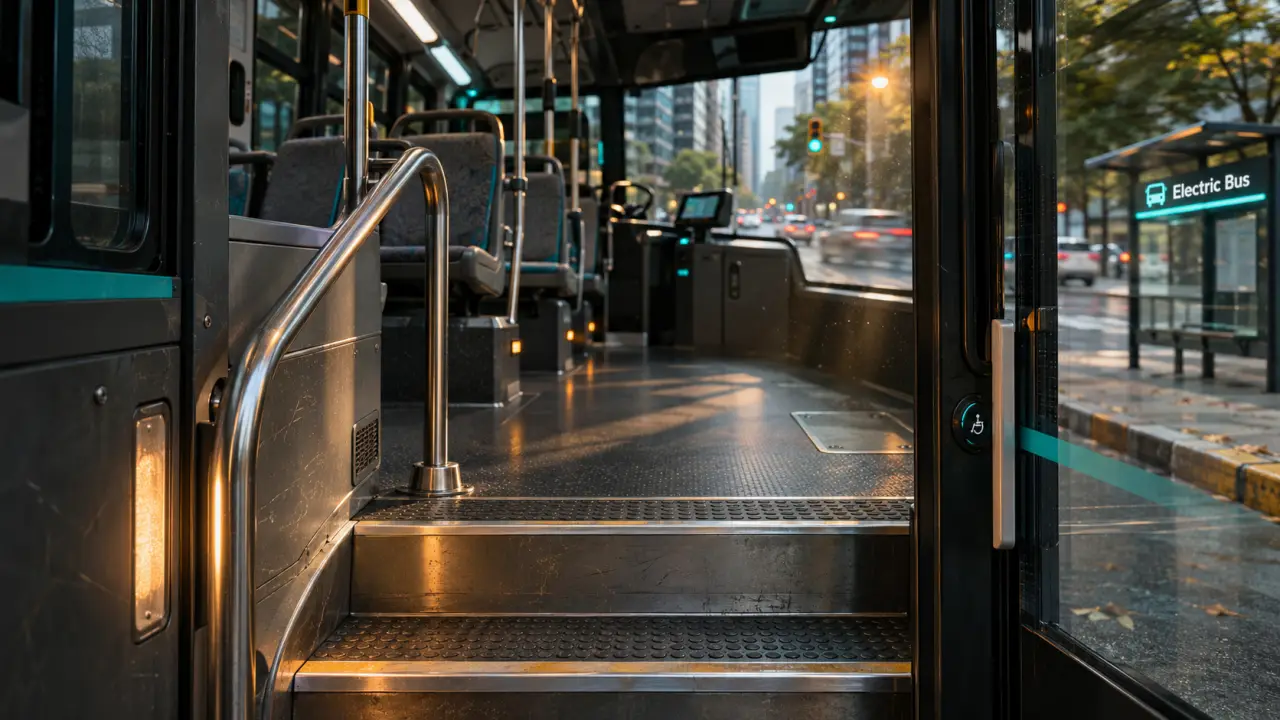
The vehicles carry the green Leicester Buses One Network livery and produce no exhaust emissions. They have next-stop audio-visual announcements, hearing loops and an additional wheelchair space. Leicester Buses plans to have more than 250 electric buses in service by the end of 2027.
Councillor Geoff Whittle, Assistant City Mayor for Environment and Transport, said: “A figure like 27,000 tonnes of carbon can be hard to picture, but the equivalent of over a million trees really shows the difference Leicester’s electric buses are making to the air we all breathe.”
The partnership includes the city council and seven operators. The fleet has been funded through the Transforming Cities Fund, the Department for Transport’s ZEBRA scheme, local ZEBRA funding and operators’ investment. St Margaret’s Bus Station reopened in 2022 as the UK’s first carbon-neutral bus station.
Other changes introduced by the partnership include Flexi tickets, contactless fare capping, coordinated timetables on shared routes and improvements to stops and passenger information.
The free Hop! city-centre bus, which links the bus stations, the railway station, the hospital and the market, runs every ten minutes from 8am to 6pm, Monday to Saturday, except bank holidays. In the Leicester Flexi zone, adult contactless fares are capped at £6.20 a day or £23 a week with Arriva, Centrebus and First. Passengers must tap on and off with the same payment method.